

Top 10 Signs Your Loved One May Need Homecare Support
November 7, 2025Coming Home from the Hospital: How to Make the Transition Safe, Smooth, and Stress-Free
July 15, 2026No one wakes up one morning and suddenly needs home care. It usually happens gradually, a missed medication here, an unopened fridge there, a fall that everyone agrees to call “just a slip.” For adult children and spouses across Brampton and the Greater Toronto Area, the hardest part is often not arranging the care. It’s recognizing the moment when a loved one needs it.
After more than 25 years of frontline caregiving, our team has walked hundreds of families through that moment. Here are five of the most common signs we see, and what you can do about them.
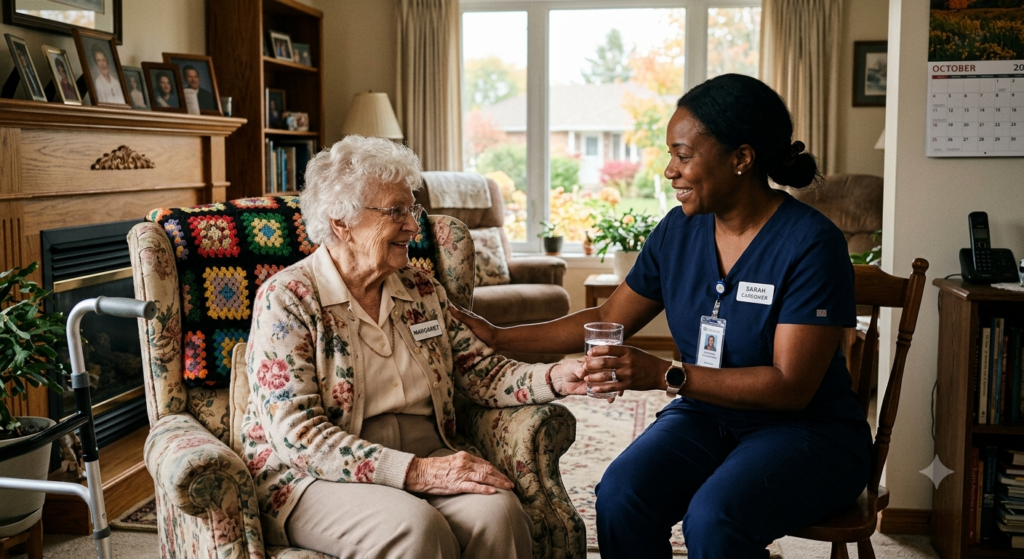
1. Medications Are Being Missed or Mixed Up
Pill bottles that never seem to empty, doubled-up doses, or prescriptions that expired months ago are among the earliest and most serious warning signs. Medication errors are a leading cause of preventable hospital visits for seniors. A trained caregiver can provide medication reminders and daily monitoring, and our nursing team can support families managing more complex needs such as blood glucose monitoring or oxygen therapy.
2. The House Isn’t Being Kept the Way It Used to Be
A once-tidy home that now has piled dishes, spoiled food, unopened mail, or laundry that never gets done tells you something important: everyday tasks are becoming overwhelming. Homemaking support, light housekeeping, laundry, and meal preparation — is often the gentlest first step into home care, because it feels like help around the house rather than “being looked after.”
3. Noticeable Weight Loss or Changes in Eating
Cooking for one is hard at any age, and it gets harder when standing at the stove becomes tiring or grocery trips feel daunting. If you’re noticing an emptier fridge, skipped meals, or clothes fitting more loosely, nutrition may be slipping. Regular meal preparation and companionship at mealtimes can make an enormous difference, people simply eat better when they’re not eating alone.
4. Falls, Near-Falls, or New Fear of Moving Around
Sometimes the sign isn’t a fall, it’s the fear of one. A loved one who has stopped using the stairs, avoids the bathtub, or holds onto furniture while walking is telling you they no longer feel safe in their own home. A Personal Support Worker can assist with bathing, transfers, and mobility, restoring both safety and confidence. In many cases, that support is what allows someone to stay in the home they love rather than leave it.
5. Caregiver Burnout in the Family
This one is about you. If you’re the daughter, son, or spouse providing care, and you’re exhausted, missing work, or feeling resentful and then guilty about feeling resentful, that is a sign, too. Family caregivers cannot pour from an empty cup. Respite care, even a few hours a week, protects your health and preserves the relationship, letting you be a daughter or a husband again instead of only a caregiver.
What to Do Next
If any of these signs feel familiar, you don’t have to figure it out alone , and you don’t have to commit to anything big on day one. Home care is flexible. Many of our families begin with a few hours of homemaking or companionship each week and adjust as needs change, all the way up to full live-in care.
At Nurse Jackie Homecare, every client relationship starts the same way:
- A friendly, no-obligation conversation about your loved one’s needs
- An individualized care plan built around their routines, language, and preferences
- Carefully matched, trained caregivers, supported by our own nursing team
Our agency was founded to honour a client who taught us what dignified care at home truly looks like, and that promise is in everything we do. Because at the end of the day, our motto says it best: we treat your loved ones like family.


